
Myth-Busting: Common Misconceptions About Women's Shelters


Understanding Women's Shelters
Women's shelters play a vital role in providing refuge and support for those facing domestic violence and homelessness. Yet, there are many misconceptions about what these shelters offer and who they serve. In this post, we aim to dispel some of these myths and shed light on the reality of women's shelters.
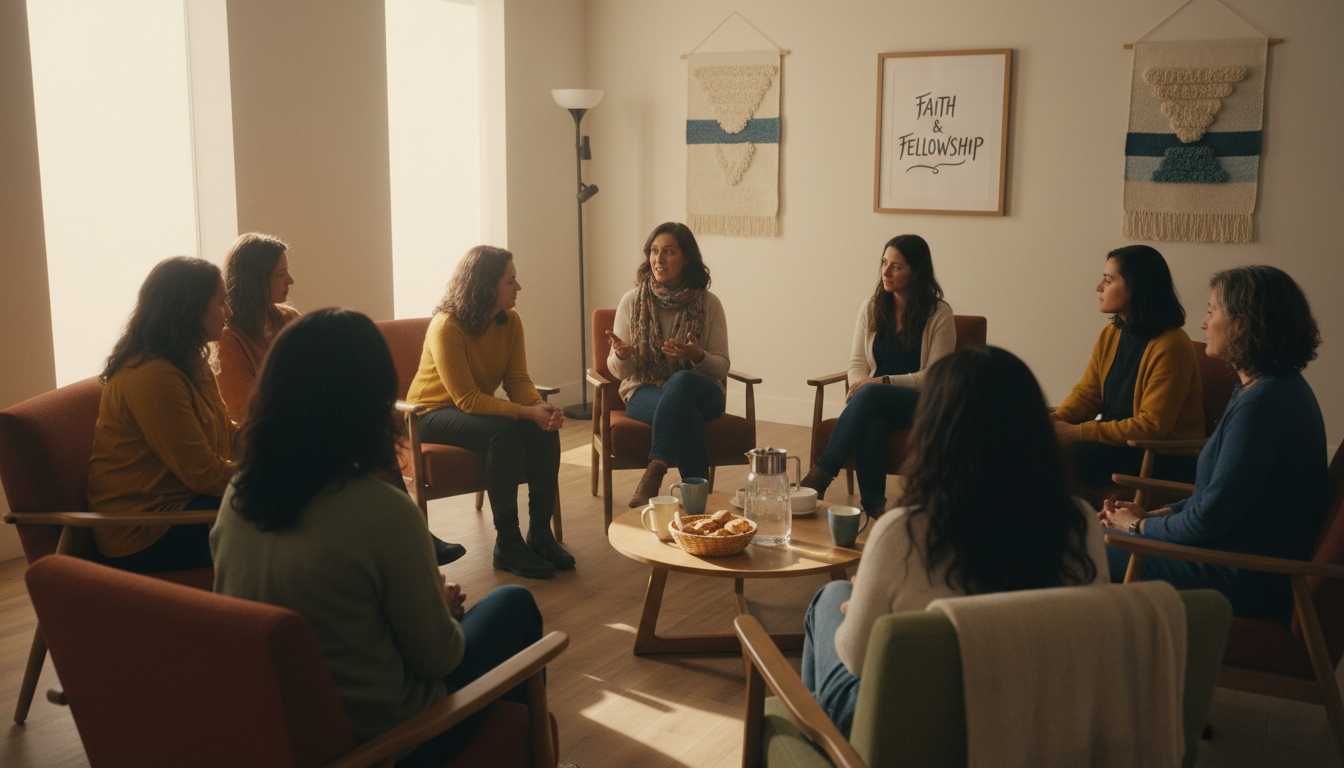
Myth 1: Shelters Are Only for Physical Abuse Victims
One common misconception is that women's shelters only serve individuals experiencing physical abuse. In reality, shelters support those facing various forms of abuse, including emotional, psychological, and financial abuse. They offer a safe haven and resources to help individuals rebuild their lives, regardless of the type of abuse endured.
Myth 2: Shelters Are a Last Resort
Many people believe that shelters are only for those with no other options. However, shelters are a proactive step for many seeking immediate safety and support. They provide essential services such as counseling, legal advice, and job training, helping individuals transition to a more stable environment.
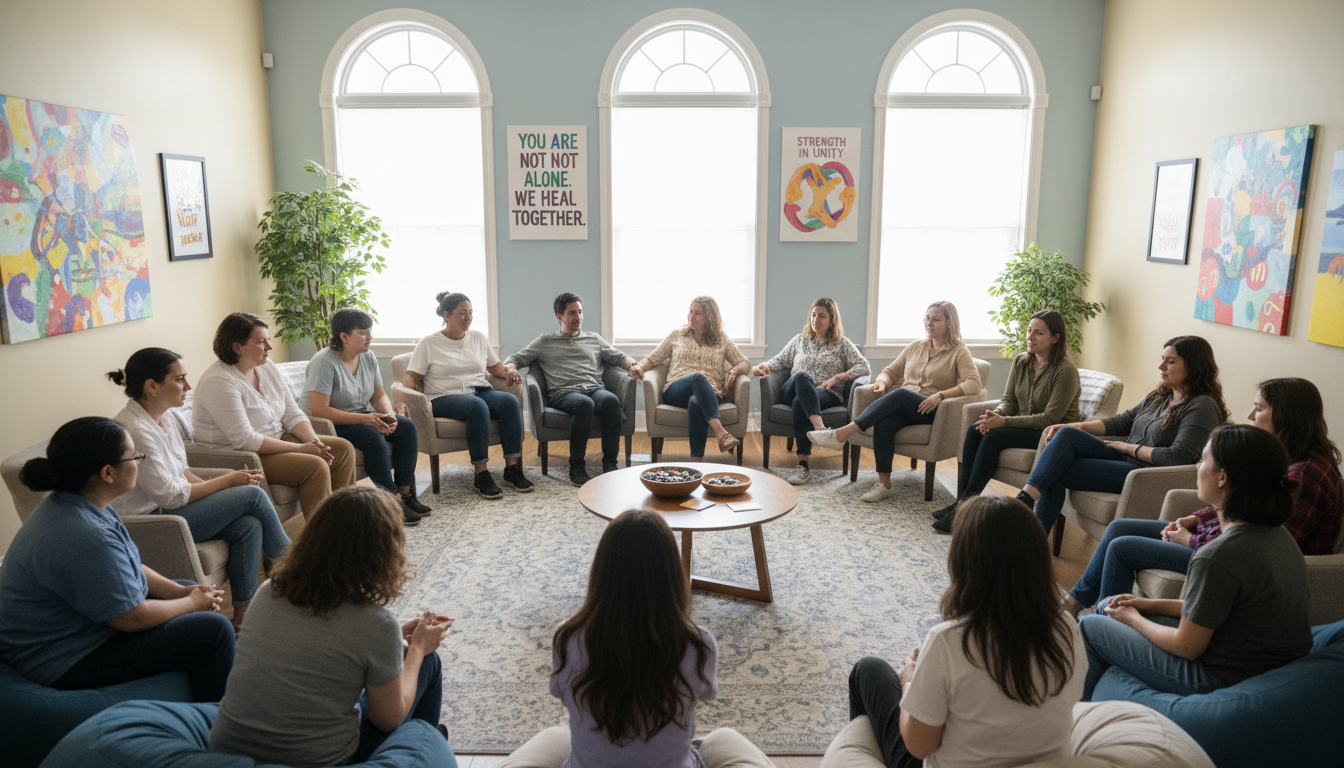
Services Offered by Women's Shelters
Shelters offer a wide range of services that go beyond just providing a roof over one's head. These services include:
- 24/7 crisis hotlines
- Counseling and mental health support
- Legal assistance and advocacy
- Childcare and educational programs
By offering these comprehensive services, shelters aim to address the various needs of survivors and empower them to regain control of their lives.
Myth 3: Shelters Are Unsafe and Overcrowded
Another misconception is that shelters are unsafe and overcrowded. While it's true that some shelters face resource limitations, many adhere to strict safety protocols to protect residents. They strive to maintain a secure and supportive environment, ensuring the well-being of all individuals seeking assistance.

The Importance of Community Support
Community involvement is crucial in supporting women's shelters. By volunteering, donating, or simply raising awareness, individuals can make a significant impact. Shelters rely on community support to continue providing essential services and expanding their reach to those in need.
Myth 4: Only Women Can Seek Help
While the term "women's shelters" implies a focus on women, many shelters also provide services to men, non-binary individuals, and children. Domestic violence affects people of all genders, and shelters strive to offer inclusive support for anyone in need.
By understanding the truth behind these misconceptions, we can all contribute to creating a more informed and supportive community for those seeking refuge and rebuilding their lives.