
Community Connections: Building a Stronger Network for Homeless Women in Nashville


Understanding the Need
Homelessness among women in Nashville is a pressing concern that requires immediate attention. Many women find themselves without shelter due to various factors, including domestic violence, economic hardships, and health issues. Building a strong network to support these women is essential for their survival and well-being.
Community connections can play a pivotal role in empowering homeless women, providing them with resources, and integrating them back into society. By fostering relationships and creating support systems, we can make a significant difference in their lives.
Key Components of a Support Network
Safe Shelters
Providing safe and secure shelters is the first step in addressing homelessness among women. These shelters offer a temporary refuge where women can find safety and stability. Ensuring that these spaces are welcoming and supportive is crucial for their recovery and growth.
Access to Healthcare
Access to healthcare is vital for homeless women, who often face numerous health challenges. Community clinics and health outreach programs can provide essential services, including mental health support, maternal care, and chronic disease management.

Empowerment Through Education
Education and skill-building programs are instrumental in helping homeless women regain independence. By offering vocational training and educational resources, we can equip them with the tools they need to secure employment and improve their quality of life.
Partnerships with local educational institutions and businesses can facilitate these opportunities, creating pathways for homeless women to achieve self-sufficiency.
Mentorship and Guidance
Mentorship programs are another valuable component of a robust support network. By pairing homeless women with mentors, we provide guidance, encouragement, and a sense of belonging. These relationships can be transformative, offering hope and direction.

Community Involvement
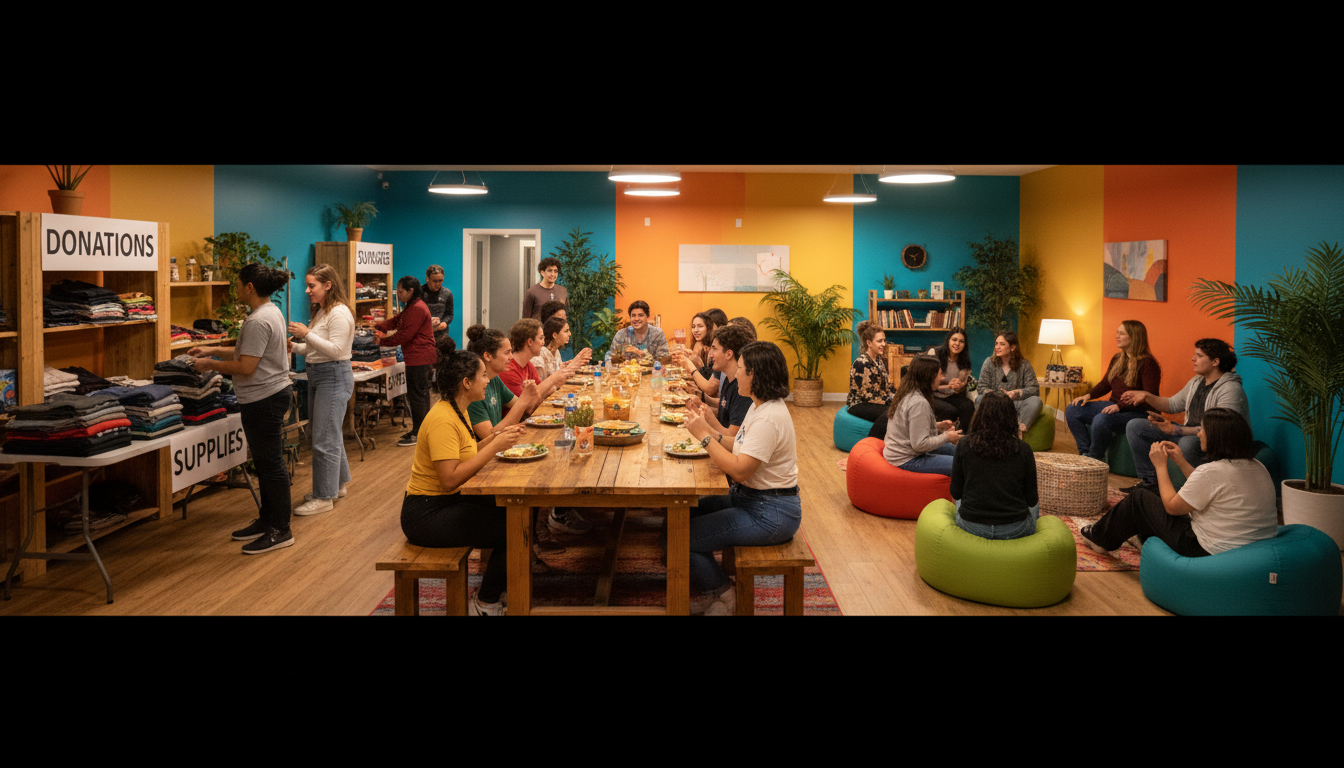
Community involvement is key to sustaining a strong support network for homeless women. Local businesses, nonprofits, and volunteers can collaborate to offer resources, organize events, and raise awareness. Such collective efforts can amplify the impact of individual actions.
By engaging with the community, we can create an environment where homeless women feel valued and supported, ultimately leading to a more inclusive and compassionate Nashville.
Conclusion
Building a stronger network for homeless women in Nashville is not just an act of charity; it's a commitment to empowering individuals and strengthening the community as a whole. Through safe shelters, healthcare access, education, mentorship, and community involvement, we can pave the way for a brighter future.
As we continue to address this critical issue, let us remember that every small action counts. Together, we can make Nashville a city where everyone has the opportunity to thrive.